Going in Horse Racing Explained: How Ground Conditions Change the Entire Race
Best Horse Racing Betting Sites – Bet on Horse Racing in 2026
 Available in US
Table of Contents
- The Going Changes More Race Outcomes Than Most Punters Realise
- The UK Going Scale: From Hard to Heavy and Everything Between
- The GoingStick: How Ground Is Measured and Why Readings Shift
- Recommended online casinos
- Breeding, Action and Going Preference: What Connects Them
- How Going Affects Flat Racing vs National Hunt Differently
- All-Weather Racing: Fibresand, Polytrack and Tapeta Compared
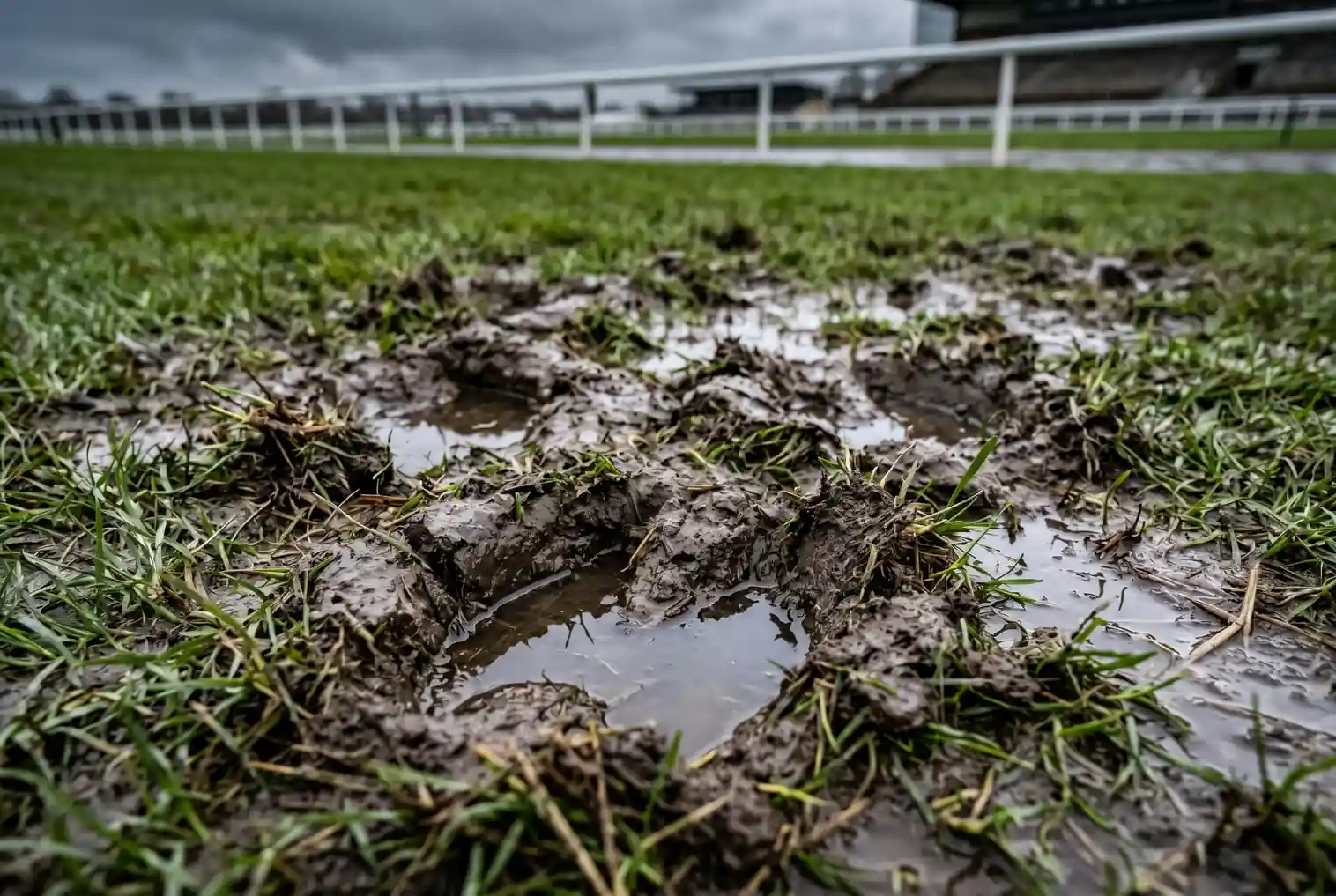
The Going Changes More Race Outcomes Than Most Punters Realise
I once backed a 6/4 favourite at Haydock on officially “good” ground. The horse had won its last three on good to firm, the form was rock-solid, and the price looked short for a reason. What I had not noticed was that overnight rain had shifted conditions significantly by post time, and the official going was upgraded to “good to soft” thirty minutes before the race. My horse hated cut in the ground, finished fifth of six, and I learned a lesson that has stayed with me for nine years: the going is not background noise. It is the stage the race is performed on, and it can turn a good thing into a non-runner before the stalls open.
Favourites in UK racing win about 30-35% of the time overall, but filter for horses running on their preferred ground and the strike rate jumps. Filter for horses on unsuitable going and it drops. The going is the single most underweighted variable in many punters’ analysis, and getting it right — or at least not getting it catastrophically wrong — gives you an immediate edge over the crowd.
The UK Going Scale: From Hard to Heavy and Everything Between
The UK uses a descriptive scale that runs from hard at one extreme to heavy at the other. Between those poles sit firm, good to firm, good, good to soft, soft and soft to heavy. Each step represents a meaningful change in how the ground behaves underfoot, affecting grip, cushion and the energy a horse expends with each stride.
Hard ground is rare — it typically occurs only during prolonged dry spells in summer and carries a higher injury risk, so some courses water to prevent it. Firm ground is faster, favours horses with a low, economical action and rewards speed over stamina. Good to firm is the most common summer going and is broadly suitable for the majority of horses. Good is the universal middle ground — if a horse has no known preference, good going is where you are least likely to be caught out.
Good to soft introduces an element of give in the surface. Horses with a round, knee-lifting action tend to handle it better than those with a daisy-cutting stride. Soft ground is genuinely testing — it drains energy, slows times and turns stamina into the dominant factor. Heavy going is an extreme: the ground is waterlogged, races are run significantly slower than standard, and only horses with proven heavy-ground form should be considered. Races on heavy going are sometimes abandoned entirely if conditions deteriorate beyond safe limits.
The scale is not purely linear. “Good to soft, soft in places” tells you the ground is inconsistent — some areas of the track are more affected than others. Rail position, the inside or outside of the track, and whether the ground has been raced on earlier in the day all influence local conditions. Experienced course walkers know where the softest patches sit, and trainers factor this into their race plans.
The GoingStick: How Ground Is Measured and Why Readings Shift
The GoingStick is a mechanical device pushed into the turf at multiple points around a racecourse. It measures penetration (how deep the probe sinks) and shear (how easily the surface layer slides). The combined reading produces a number that corresponds roughly to the descriptive scale — lower numbers indicate softer ground, higher numbers firmer. A reading below 5.0 is typically soft; above 8.0 is good to firm or firmer.
Readings are taken the day before a meeting and again on the morning of racing, sometimes with updates throughout the afternoon if conditions change. Rain, watering, sun and wind all shift the going between readings. A course reporting good to firm at 8am can be good to soft by post time if 10mm of rain arrives at lunchtime. This is why checking the going once and assuming it will hold is a rookie mistake. I check it at declaration time, again at the overnight stage, and a final time roughly 45 minutes before I plan to bet. Three checks, three opportunities to adjust or abandon a selection.
Recommended online casinos
- BeOnBetBonus: 100% up to €500 + 100 FS · Payout speed: 1-3 business days
- Revery PlayBonus: 100% up to€1,000+ 100 FS · Payout speed: 1-3 business days
- ChanzeBonus: Slots Welcome Bonus #1 200% up to €500 · Payout speed: 1-3 business days
- JetsetspinsBonus: 200% Bonus + 100 Free Spins + Free Royal Wheel · Payout speed: 1-3 business days
- DieselwinBonus: Welcome Pack 250% up to £4000 + 200 FS · Payout speed: 1-3 business days
- ZombillionBonus: Welcome Pack 250% up to £4000 + 200 FS · Payout speed: 1-3 business days
- WinBeastBonus: €5000 + 500 FS + €650 Freebet · Payout speed: 1-3 business days
- NightWinBonus: £900 + 400 free spins · Payout speed: 1-3 business days
- SpinFormulaBonus: 550% Up To £15,000 + 550 FS · Payout speed: 1-3 business days
Breeding, Action and Going Preference: What Connects Them
Certain sire lines produce offspring with a consistent affinity for specific ground. Flat racing stallions who excelled on fast ground tend to pass that preference to their progeny — a useful filter when assessing unraced two-year-olds or horses stepping onto a new surface for the first time. Over jumps, stamina-oriented sires often produce horses that handle soft ground better, partly because stamina and an ability to cope with heavy going are genetically linked through stride mechanics and muscle-fibre composition.
You do not need a genetics degree to use this information. Most form guides include going preferences in their horse profiles, and race commentators routinely mention sire-line tendencies. The practical application is simple: when a horse faces an unfamiliar going description for the first time, check what its sire and dam’s progeny have done on similar ground. If the evidence is overwhelmingly negative, the horse is fighting biology as well as the opposition.
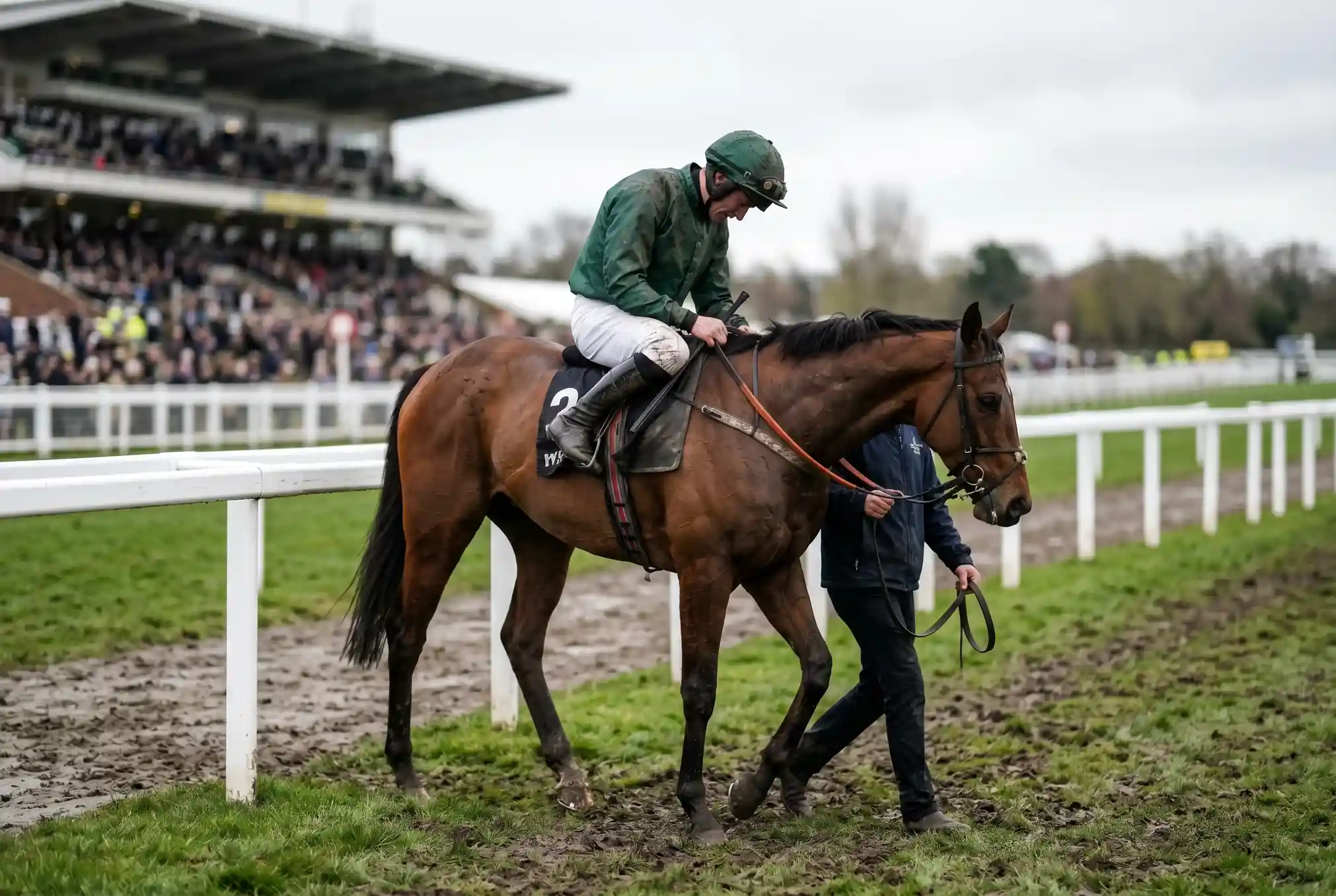
Physical action — the way a horse moves — is the visible manifestation of going preference. Horses with a high knee action (“round action”) tend to cope with soft ground because they lift their feet clear of the surface rather than scraping through it. Horses with a low, efficient stride (“daisy cutters”) glide over firm ground but struggle when the surface asks for extra lift. Watching a horse in the paddock before a race on ground that is on the boundary between descriptions can give you a final clue about whether the surface suits.
How Going Affects Flat Racing vs National Hunt Differently
On the Flat, going primarily affects speed and stamina balance. A soft surface slows times by several seconds over a mile, which compresses the field and reduces the advantage of pure speed. Races on soft Flat ground tend to produce fewer wire-to-wire front-running winners because the effort of making the pace on a testing surface is greater. Favourites’ win rates dip slightly on soft and heavy ground on the Flat, though the difference is more nuanced than many assume — the market adjusts for known preferences, so the favourites that stand their ground in soft-going markets are often genuine.
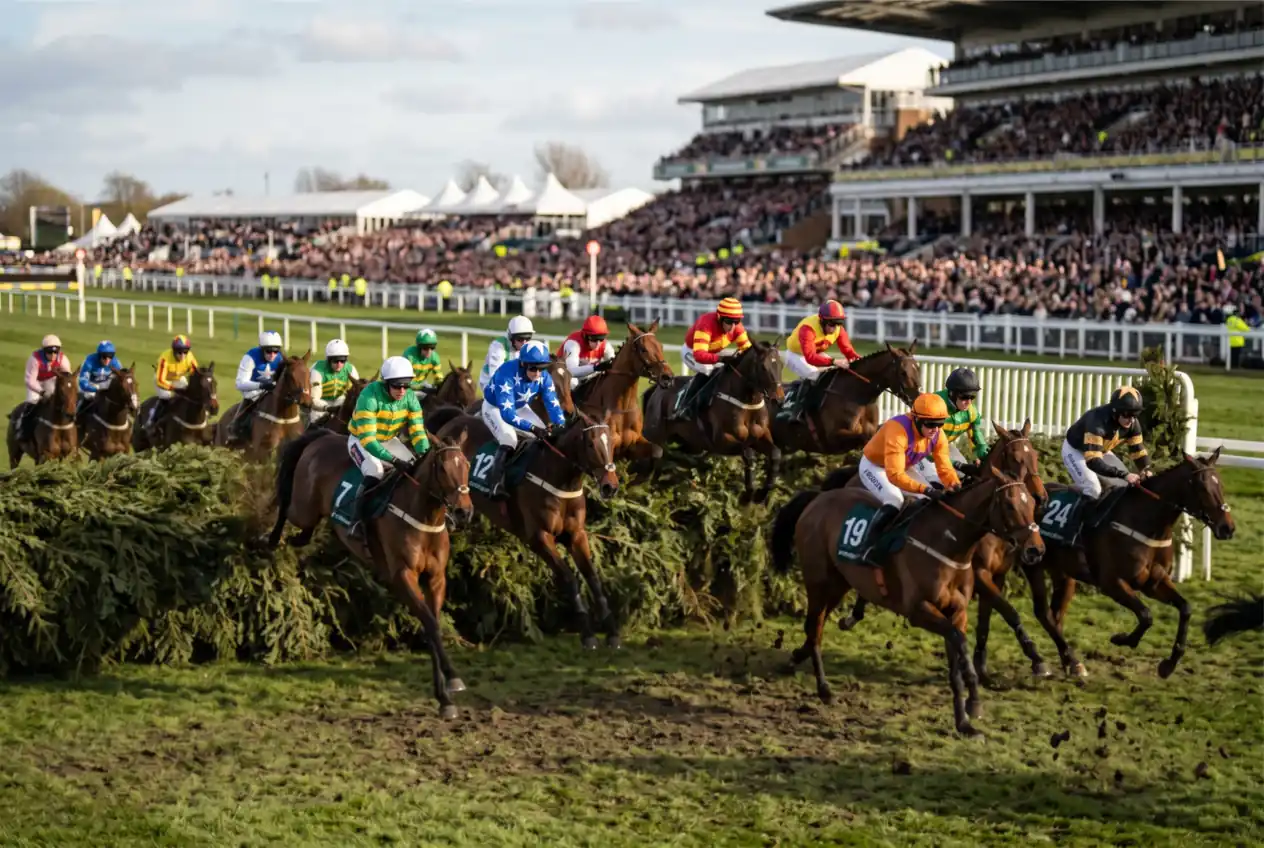
Over jumps, the going has a more dramatic impact. Heavy ground turns a three-mile chase into an endurance test that can separate horses by 30 lengths at the finish. Jumping technique changes too — horses approach obstacles differently on soft ground, and the takeoff and landing zones cut up more as the day progresses, penalising horses drawn to jump the same spot as those before them. The British thoroughbred population has been shrinking by roughly 1.5% annually since 2022, and one contributing factor is the physical toll that repeated running on heavy winter ground takes on joints and tendons.
All-Weather racing removes the going variable almost entirely, which is its primary appeal for punters who want to eliminate surface uncertainty. The standard going on synthetic surfaces is described as “standard” with minor variations (“standard to slow” or “standard to fast”), and the impact on form is far less dramatic than the shift from good to soft on turf.
All-Weather Racing: Fibresand, Polytrack and Tapeta Compared
Three synthetic surfaces are in use across UK all-weather tracks, and they are not interchangeable. Fibresand at Southwell is a deep, slow surface that rides closest to soft turf. Horses that handle soft ground on turf often adapt to Southwell, while speed-oriented types can struggle. Polytrack at Lingfield, Kempton and Chelmsford is faster, more consistent and closer to good-to-firm turf in character. Tapeta at Wolverhampton and Newcastle sits between the two — it drains well, rides fairly and produces competitive racing.
Form transfers between these surfaces are unreliable. A horse that wins on Polytrack at Kempton is not guaranteed to handle Fibresand at Southwell, and vice versa. Treat each surface as a separate going description. When assessing all-weather form, filter for course-and-surface form specifically rather than lumping all synthetic surfaces together. The distinction is worth the extra two minutes of analysis.
How do I find out the going at a UK racecourse before a meeting?
Racecourses publish the going on their websites and social media channels, usually updated the day before racing and again on the morning of the meeting. Racing Post, At The Races and the BHA’s own site aggregate going reports. For the most current reading, check roughly 45 minutes before the first race, as overnight rain or morning watering can change conditions after the initial report.
Can a horse that loves firm ground ever win on soft?
It can, but the probability drops significantly. Horses with a strong preference for fast ground tend to struggle as the surface gets softer because their action is not suited to lifting through heavy ground. Exceptions exist — usually talented animals who win despite the ground rather than because of it — but betting on a firm-ground specialist on soft is a high-risk play.
What is the difference between ‘good to soft’ and ‘soft’ in practice?
Good to soft has enough give to slow times by a second or two over a mile compared to good, but most horses handle it without difficulty. Soft ground is a genuine test: times slow substantially, the surface cuts up during the day and horses without proven soft-ground form are at a clear disadvantage. The difference in energy expenditure between the two is significant, particularly over longer distances.
The full picture is in our data-driven guide to horse racing betting.
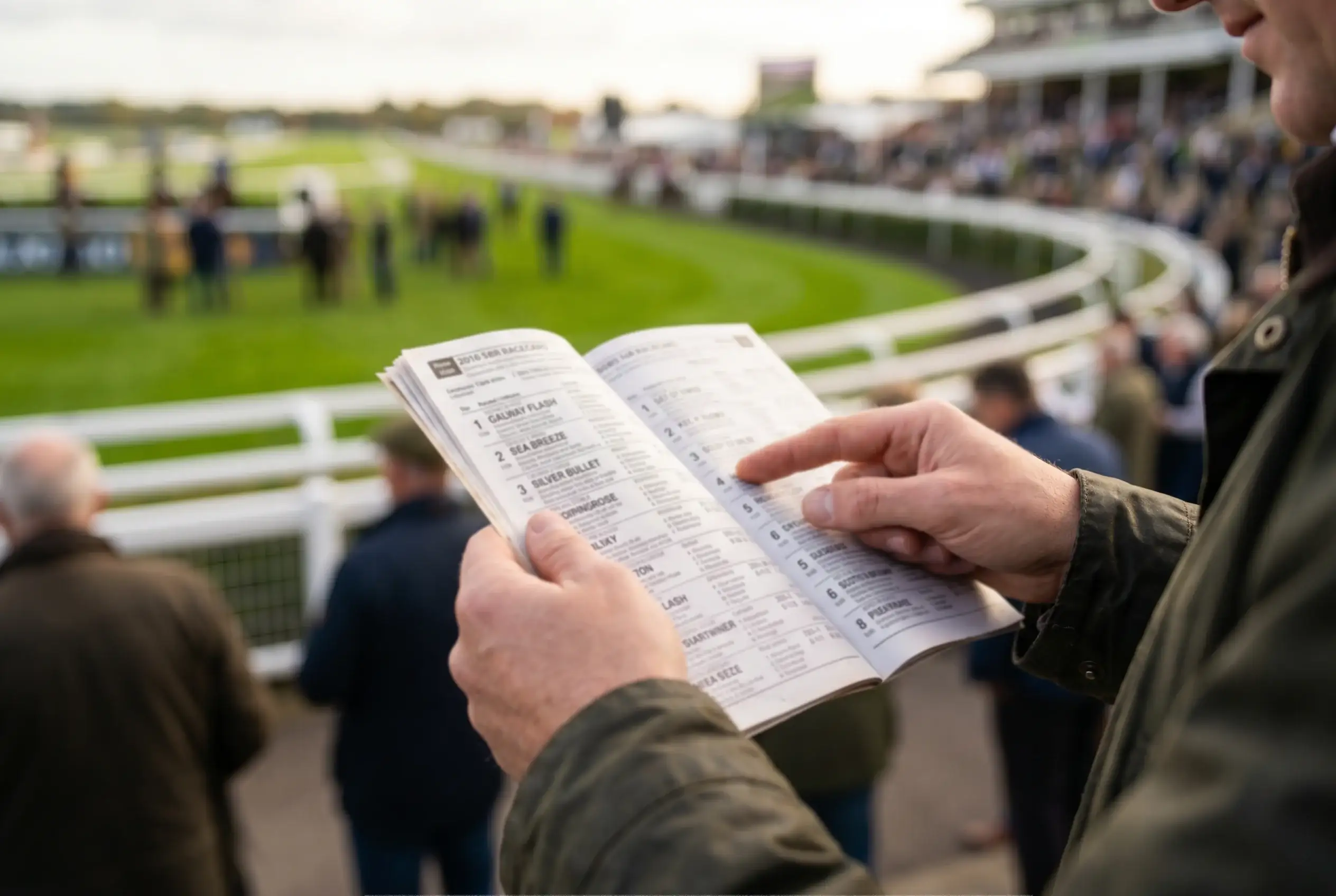
Where the going sits on the card: the racecard.
Published by the Tips for Horse Racing Betting team.