Grand National Betting Tips: How to Approach the World’s Most Unpredictable Race
Best Horse Racing Betting Sites – Bet on Horse Racing in 2026
 Available in US
Table of Contents
- 40 Runners, 30 Fences and Odds That Bookmakers Build Their Year Around
- The Profile of a National Horse: Weight, Age, Fence Record and Stamina
- Three Betting Approaches: Each-Way Singles, Dutching and Exotic Plays
- Recommended online casinos
- Data Patterns: Weights, Trainer Records and Historical Trends
- Managing Risk in a Race Where Anything Can Happen
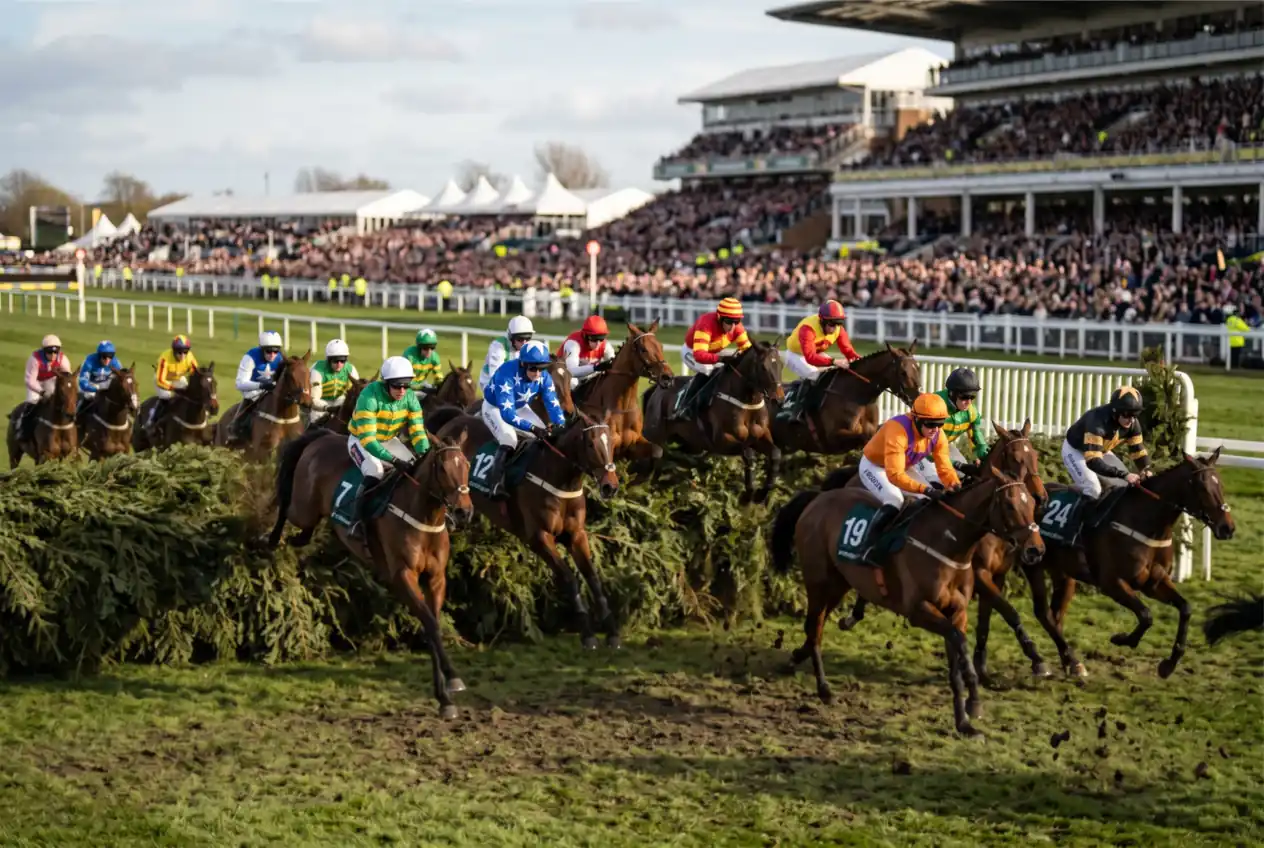
40 Runners, 30 Fences and Odds That Bookmakers Build Their Year Around
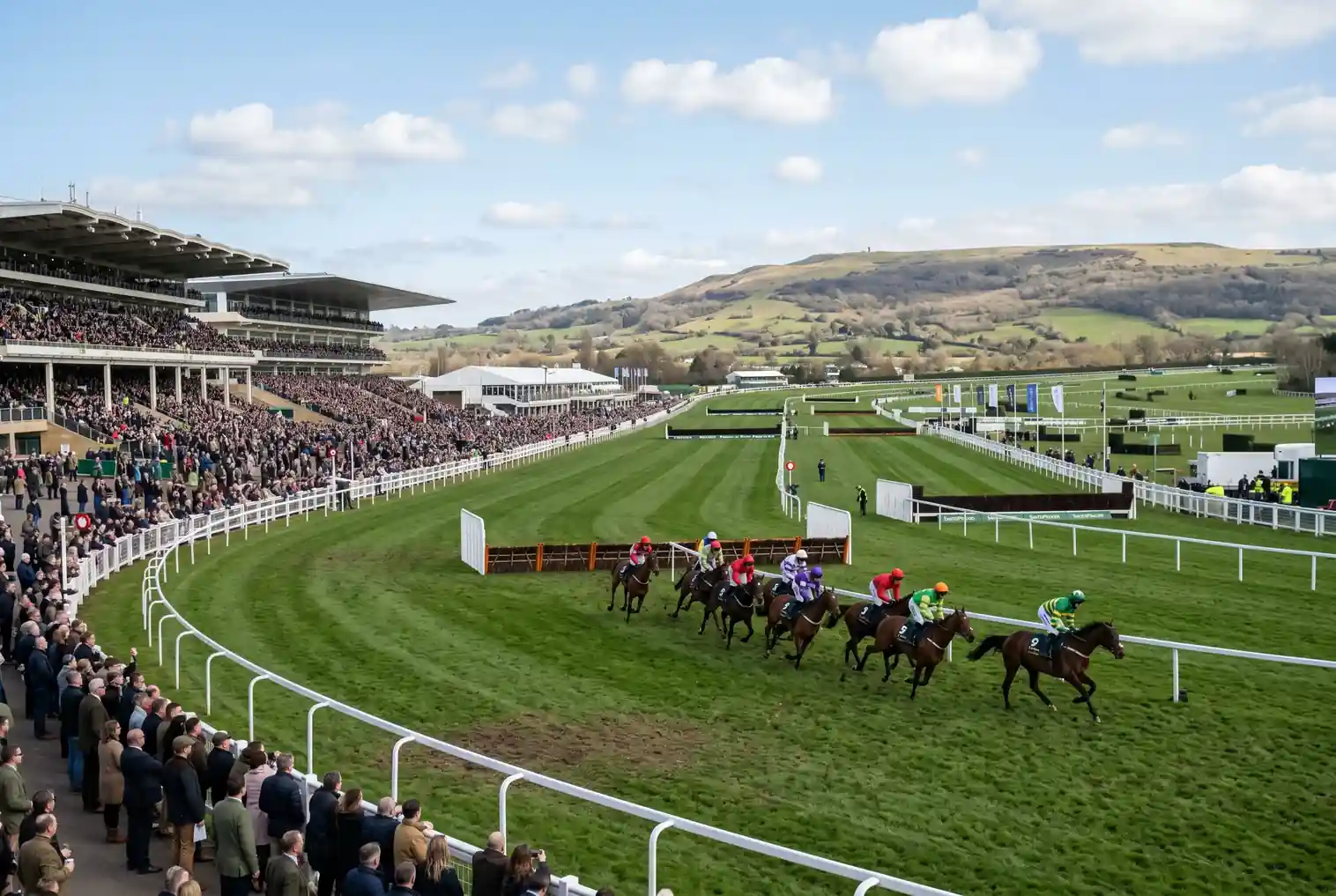
The Grand National is the one race of the year where the entire country has an opinion. People who have never looked at a racecard suddenly want a tip. Office sweepstakes proliferate. Bookmakers take more money on this single race than on any other event in the UK racing calendar — racecourse attendance topped 4.8 million across Britain in 2022, and Aintree’s three-day meeting is a massive contributor to that figure. For most punters, the National is entertainment. For the rest of us, it is the most analytically demanding race of the year.
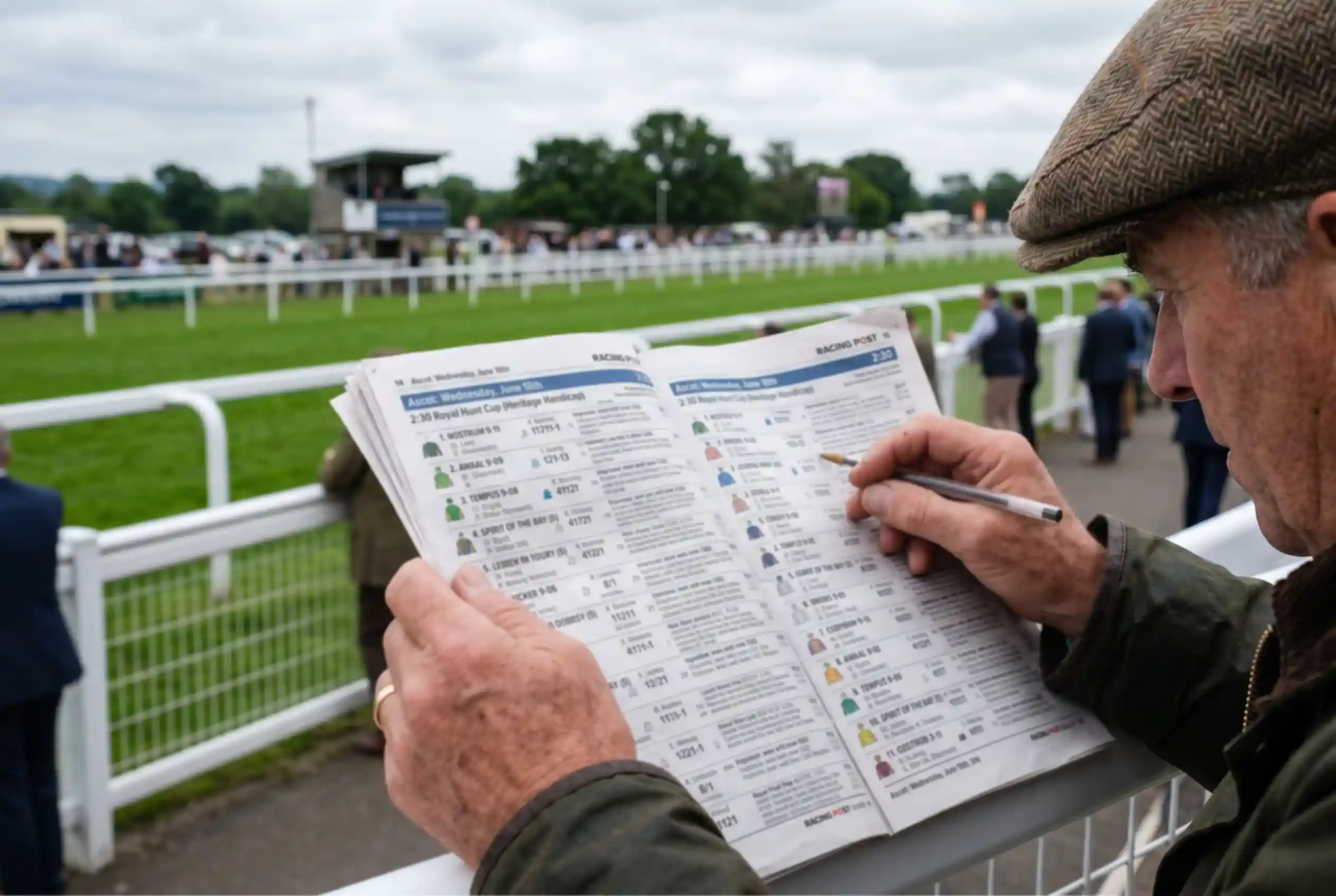
I have bet on every Grand National since 2016. My record is two winners from ten — a 20% strike rate that sounds decent until you consider the prices meant those two winners only just put me ahead overall. The National is humbling. But the process of narrowing 40 runners to a shortlist of five or six is deeply satisfying, and the occasional hit at a big price justifies the annual effort.
The Profile of a National Horse: Weight, Age, Fence Record and Stamina
Historical data provides a clear profile of the type of horse that wins the Grand National. Age matters: the sweet spot is eight to ten years old. Younger horses lack the experience to handle Aintree’s unique fences, and older horses may lack the stamina for four miles and two furlongs of jumping. Weight is the most debated factor — winners tend to carry between 10st 0lb and 11st 4lb, with the very top weights (11st 10lb+) rarely prevailing because the distance at those weights is simply too demanding.
Fence record is non-negotiable. The Grand National fences are unlike any other obstacles in British racing — bigger, stiffer and more unforgiving. A horse that has completed the course before (or the Topham or Becher Chase over the same fences) has proven it can handle the unique challenge. First-time National runners without experience over the Aintree fences represent a higher risk, regardless of how good their form looks elsewhere.
Stamina is the ultimate test. The National is four miles and two furlongs — longer than any other regular race in the British calendar. A horse that has won over three miles is not automatically suited to four. Look for horses that have won over at least three miles and two furlongs, ideally on soft or heavy ground where stamina is tested even more rigorously. A horse that fades in the final half-mile of a three-mile chase is unlikely to survive the National distance.
Three Betting Approaches: Each-Way Singles, Dutching and Exotic Plays
The each-way single is the classic National bet. With typically six places paid at one-quarter odds, the place element is generous. A horse at 20/1 that finishes in the first six pays 5/1 on the place part alone, which is a meaningful return on a two-unit each-way stake. I typically back two or three each-way singles on my shortlisted horses, treating the total outlay as my Grand National budget for the year. In fields of this size, where public favourites win only about 15-20% of the time, the place market is where consistent returns are more realistic.
Dutching works when your shortlist contains three or four horses at long prices. Big-field strategy principles apply: distribute your stake proportionally so that any of your selections winning produces an equal profit. In a 40-runner field where your three picks are 16/1, 20/1 and 25/1, dutching keeps the combined implied probability manageable and the potential return substantial. The downside is that if none of them win, you lose the lot — there is no place safety net with a win-only dutch.
Exotic plays (forecast and tricast bets) are high-risk, high-reward options for the National. The tricast pool dividend in a 40-runner race can be enormous — four figures from a £1 stake is not unusual when the first three home are all double-digit prices. The probability of calling the exact first three in a Grand National is vanishingly small, but the cost of entry is low. A £1 combination tricast covering four horses costs £24, which is a reasonable speculative outlay alongside your main each-way bets.
Recommended online casinos
- BeOnBetBonus: 100% up to €500 + 100 FS · Payout speed: 1-3 business days
- Revery PlayBonus: 100% up to€1,000+ 100 FS · Payout speed: 1-3 business days
- ChanzeBonus: Slots Welcome Bonus #1 200% up to €500 · Payout speed: 1-3 business days
- JetsetspinsBonus: 200% Bonus + 100 Free Spins + Free Royal Wheel · Payout speed: 1-3 business days
- DieselwinBonus: Welcome Pack 250% up to £4000 + 200 FS · Payout speed: 1-3 business days
- ZombillionBonus: Welcome Pack 250% up to £4000 + 200 FS · Payout speed: 1-3 business days
- WinBeastBonus: €5000 + 500 FS + €650 Freebet · Payout speed: 1-3 business days
- NightWinBonus: £900 + 400 free spins · Payout speed: 1-3 business days
- SpinFormulaBonus: 550% Up To £15,000 + 550 FS · Payout speed: 1-3 business days
Data Patterns: Weights, Trainer Records and Historical Trends
Favourites in the Grand National win approximately 10-15% of the time — significantly less than the overall UK racing average of 30-35%. The race’s extreme distance, huge field and unique fences suppress favourite dominance more than any other race type. This is not a race to follow the market; it is a race to look for value at bigger prices.
Trainer records at the Grand National are worth studying. Certain trainers — particularly those with multiple National entries across their career — understand the specific preparation required for Aintree. A trainer who has saddled ten or more National runners over the past decade has demonstrated both the quality of stock required and an understanding of the conditioning process. First-time National trainers, like first-time National horses, carry additional uncertainty.
Weight trends confirm the historical pattern: horses carrying 10st 2lb to 10st 12lb have the best recent record. The very top-weighted horses face an impossible physical task over four miles, and the very bottom-weighted horses are typically there because their form is modest enough to warrant the low mark. The middle ground — horses rated between 140 and 155 — produces the majority of winners.
Managing Risk in a Race Where Anything Can Happen
The Grand National is structurally the highest-variance race in the calendar. Fallers, loose horses, pile-ups at the Canal Turn and the sheer distance mean that even the best-laid plans can be undone by events beyond anyone’s control. Risk management is not about avoiding the National — it is about sizing your bets to reflect the uncertainty.
My rule: the total Grand National outlay should not exceed 5% of my betting bank. In a race where the outcome is genuinely unpredictable, staking more than that is gambling on hope rather than analysis. Within that 5%, I distribute across two or three each-way singles and, if the numbers work, a small dutching play or a speculative tricast.
Accept the possibility of a total loss before the race starts. If you cannot afford to lose your National stake without it affecting your betting for the rest of the season, you have staked too much. The Grand National is a single race on a single day. Your bank needs to survive it regardless of the result.
What weight range gives a horse the best chance in the Grand National?
Historically, horses carrying between 10st 0lb and 11st 4lb have the best record. The very top weights (11st 10lb or more) rarely win because the distance at those weights is too demanding. Horses at the bottom of the weights are usually there because their ability warrants a low rating. The productive range sits in the middle of the handicap.
How many non-runners are there typically on Grand National day?
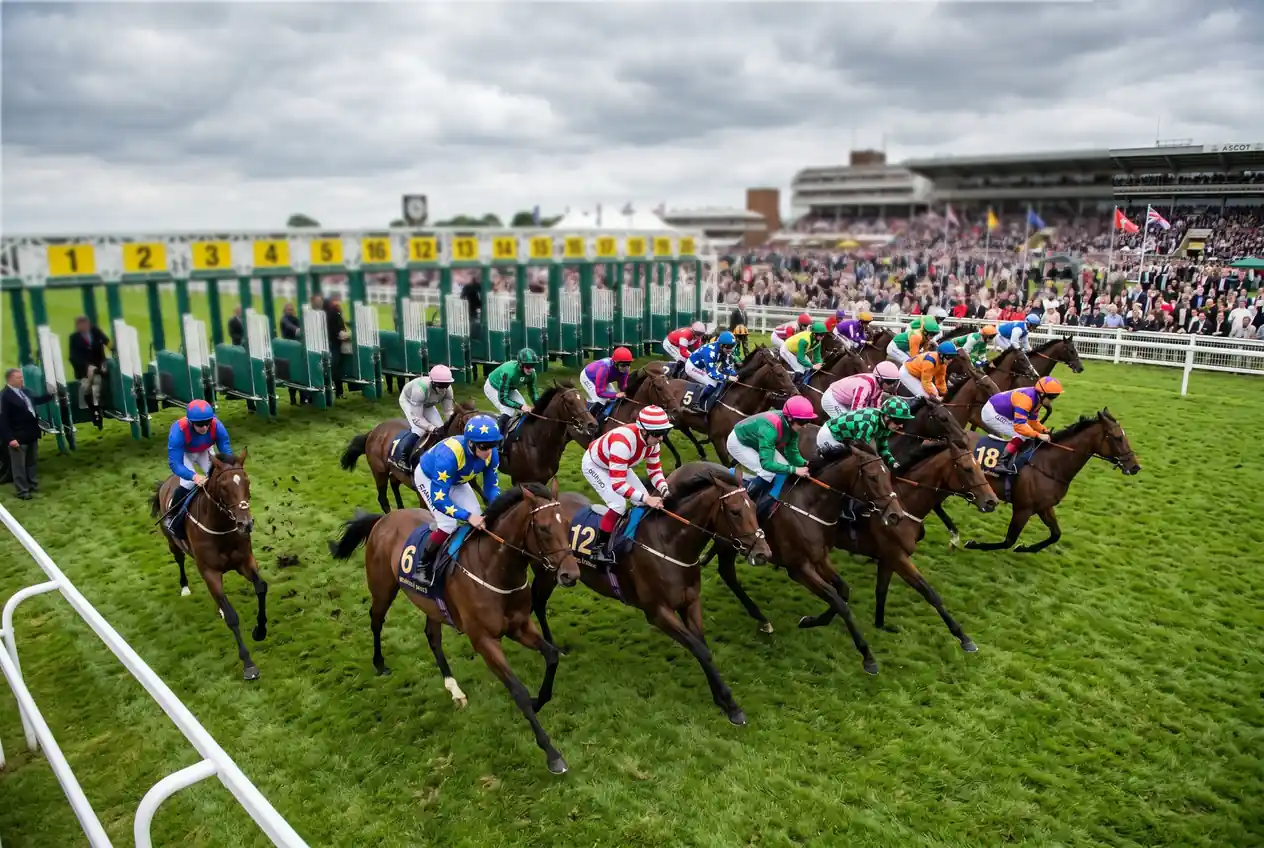
The Grand National has a maximum field of 40. Non-runners on the day typically number between two and six, depending on ground conditions and late injury withdrawals. If the ground turns heavy, more non-runners are declared because some horses are unsuited to extreme conditions. The final declared runners are usually confirmed the morning of the race.
Is backing the favourite a good strategy for the Grand National?
The favourite wins the Grand National roughly 10-15% of the time — significantly below the overall UK favourite win rate of 30-35%. The extreme conditions, large field and high variance make the National the worst race of the year for following the market leader. Value is more likely to be found at longer prices among horses that fit the historical profile.
The full picture is in our data-driven guide to horse racing betting.
Forty runners means places: each-way betting.
Prepared by the Tips for Horse Racing Betting editorial staff.